Room 1 · Third Committee · 24.b
Social development: who should ensure society's wellbeing?
We will debate how States should act to ensure social wellbeing and how policies can also reach rural populations.
An international experience to debate, negotiate, learn, have fun and meet young people who share your interests, in the heart of Oscos-Eo.
I want to take part →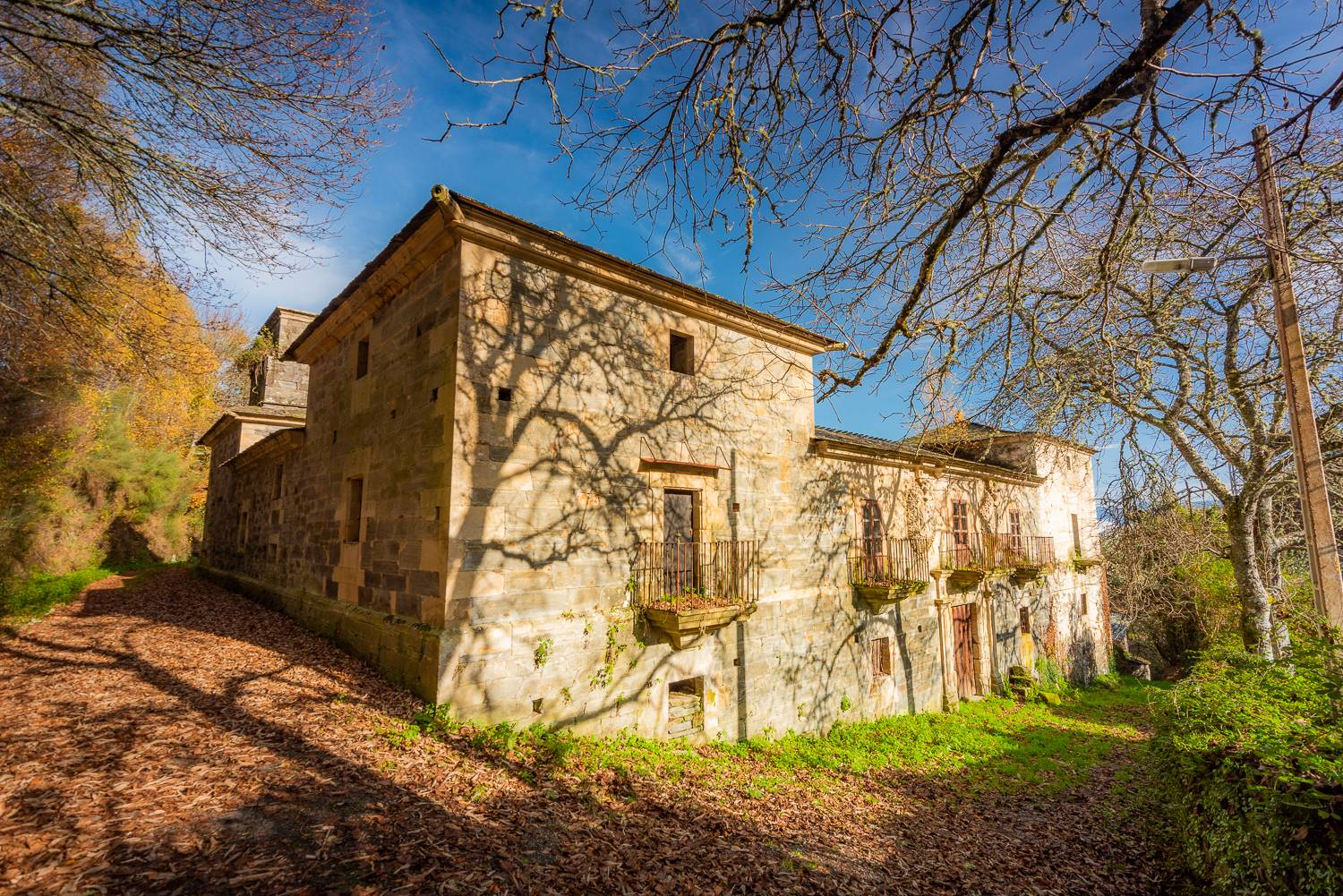
RuralMUN Oscos-Eo brings the Model United Nations methodology to rural areas. Participants will take on the role of delegates from different countries, research international positions, debate, negotiate and draft proposals following a formal United Nations-inspired format.
Defend the position of the country you represent and learn to argue in public.
Listen to other positions, find common ground and work to build agreements.
Connect global challenges with the reality and opportunities of rural communities.
RuralMUN simulates the United Nations General Assembly through the work of two of its Principal Committees. On Saturday, delegations will debate two real topics from the 81st session agenda.
We will debate how States should act to ensure social wellbeing and how policies can also reach rural populations.
We will explore how to reconcile economic development, quality of life and ecosystem protection, with special attention to rural territories.
From Friday 11 at 4:00 p.m. to Sunday 13 after lunch, RuralMUN combines MUN training, debate, negotiation, community, nature and fun in one gathering.
16:00 · Welcome and opening. The first day begins with a welcome at Palacio de Mon and is devoted to building the group, understanding the context, and introducing the UN model and preparation for the sessions.
There will also be time to enjoy the setting and share experiences: a cooking workshop, a shared dinner and a night walk to discover the surroundings.
The day will be entirely devoted to MUN sessions: debate, negotiation, consensus-building and drafting resolutions.
We will learn to listen, argue and find common ground. At the United Nations, the goal is not simply for a majority to prevail, but to build the broadest possible agreement.
When the formal work is over, we will continue sharing: the evening will bring us together around a foliada, a celebration rooted in the culture and atmosphere of Oscos-Eo.
On the final day we will hold the Final General Assembly, where we will present and defend the resolutions developed during the gathering.
After debate, amendments and voting, we will share our proposals with local authorities and representatives of the Government of Asturias.
The gathering will end after the farewell meal, bringing three days of debate, community and learning to a close.
Taking part in RuralMUN is much more than attending a three-day event: it means sharing three days of debate, community, nature and learning.
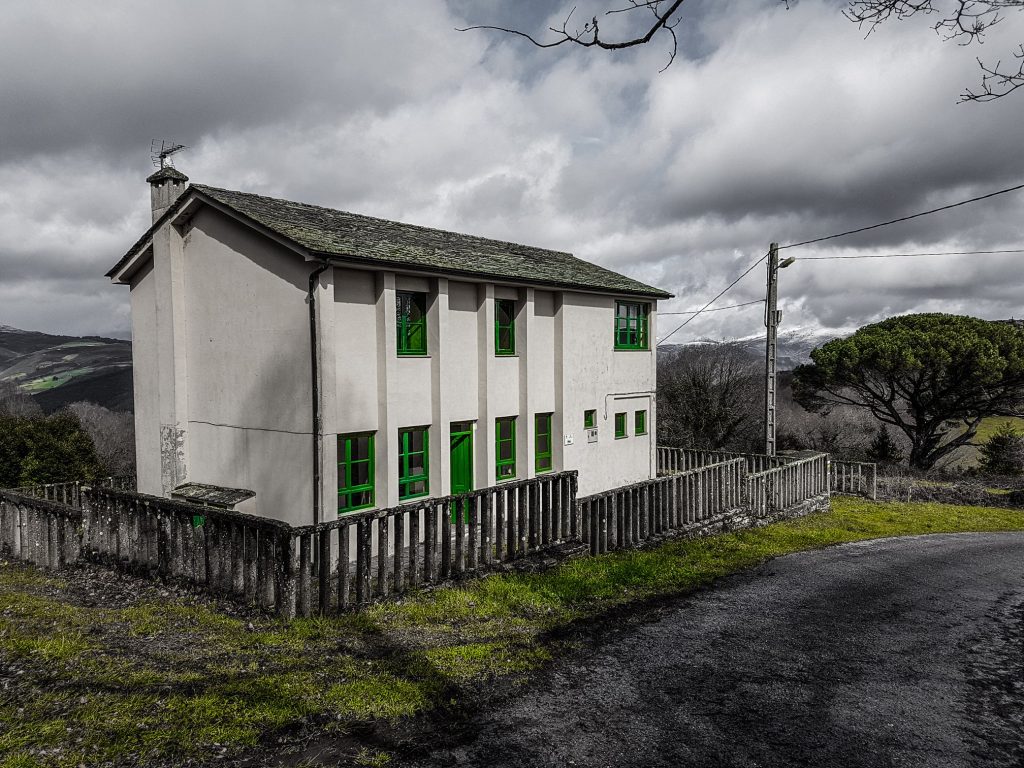 Ventosa Hostel, San Martín de Oscos
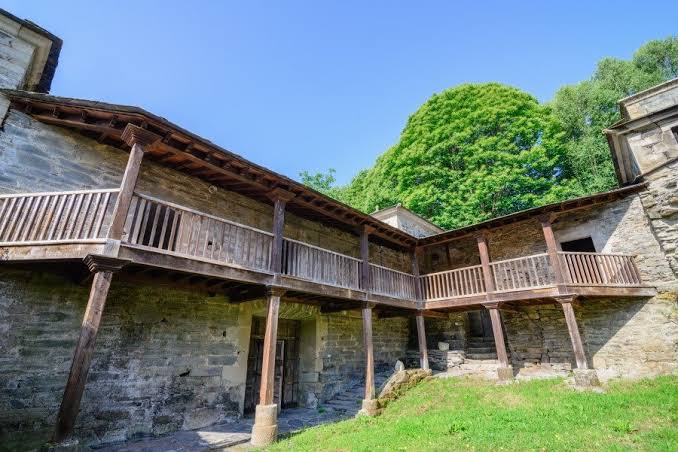
Palacio de Mon is one of the most distinctive rural noble estates in western Asturias. Built in the 16th century as a defensive tower, it was transformed in the 17th and 18th centuries into a Baroque palace-house and is part of the historic heritage of Oscos.
Recently restored, the palace combines heritage, landscape and new cultural uses. It offers the dignity of an international gathering while remaining deeply connected to the history, architecture and rural identity of the territory.
The initiative has already attracted attention from Asturian media, highlighting its aim of bringing debate and participation to rural areas.
If you are aged 14 to 17 and would like to take part, leave us your details.
There are 25 places, allocated in registration order. Pre-registration does not guarantee a place. The organisation will review applications and contact selected participants afterwards to complete the final registration.
Students from the Oscos-Eo area will have priority, but students from anywhere are welcome.
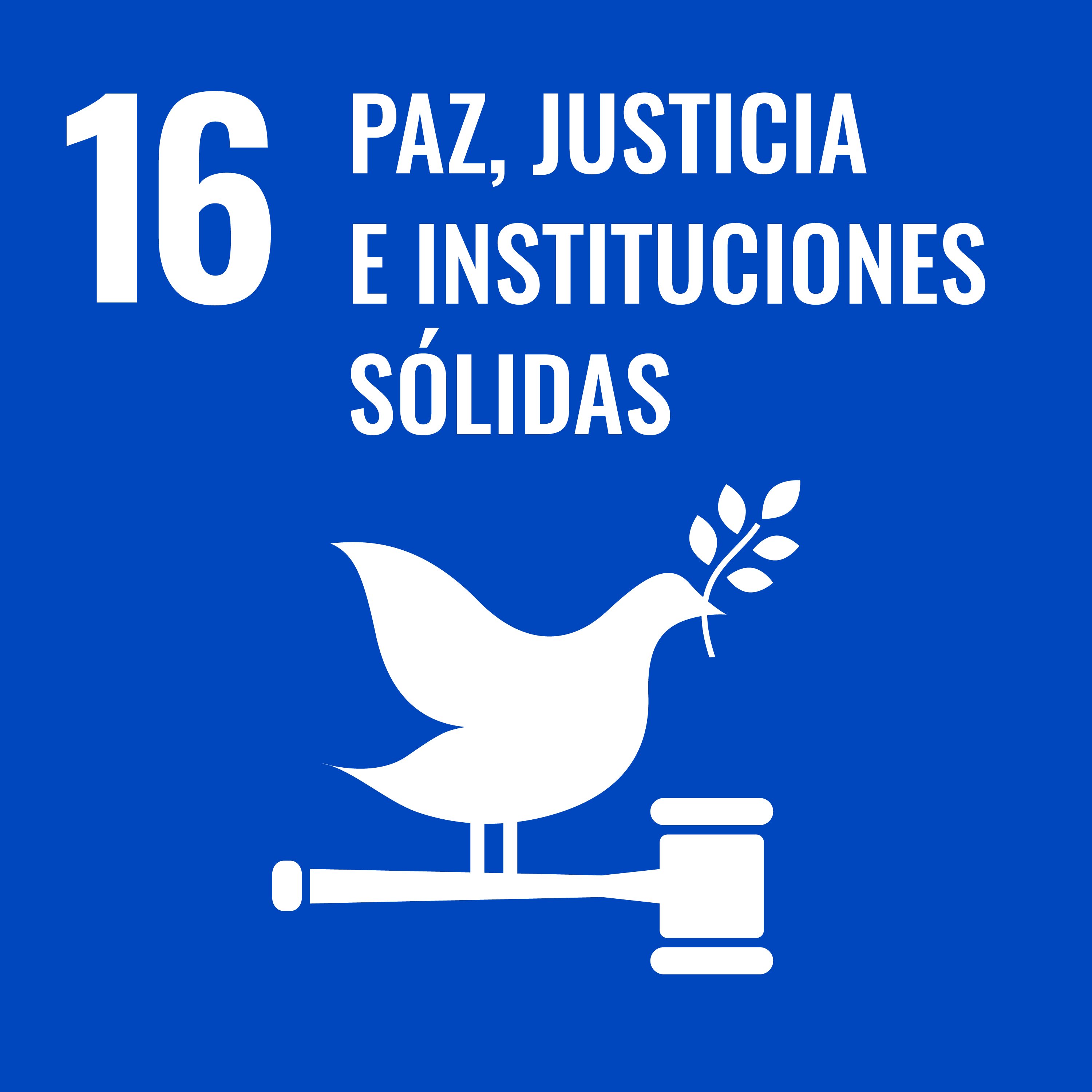
RuralMUN contributes to SDG 16 by promoting a culture of dialogue, informed participation, understanding of public decision-making and closer connections between young people and institutions.
RuralMUN Oscos-Eo has the institutional support of CEDER Oscos-Eo and funding from the Directorate-General for Agenda 2030 (Regional Ministry of Territorial Planning, Housing, Urban Planning and Citizens' Rights). The event is organised by XESTECO with the support of United World Colleges.
Supports
Funds

Organises
Supports